By HammerCore Group Editorial Team · Updated 2026-07-14
Rec room construction turns an unused basement or bonus room into a space worth spending time in. HammerCore Group handles the full range of work — framing, materials planning, custom bar builds, home theater installations, flooring upgrades, and lighting design — for residential clients across the Midwest. Licensed and insured on every job, the crews move from concept to completion without the handoff gaps that slow down multi-contractor projects.
HammerCore Group’s RecRoom remodels require a detailed materials list to track framing components accurately.
Replacing 50 percent or more of an existing structure legally classifies the project as a rebuild.
Cost estimating tools like Structural Member Reporting streamline budgeting for RecRoom construction projects.
Framing reports feed directly into materials lists, reducing errors during RecRoom addition planning.
HammerCore Group’s RecRoom remodels require a detailed materials list to track framing components accurately.
Replacing 50 percent or more of an existing structure legally classifies the project as a rebuild.
Cost estimating tools like Structural Member Reporting streamline budgeting for RecRoom construction projects.
Framing reports feed directly into materials lists, reducing errors during RecRoom addition planning.
Rec room projects move through three distinct phases: clearing out what’s there, rebuilding the structure, and finishing the space. Getting all three right — in the right order — is what separates a smooth build from a costly one.
Almost always, yes. Interior demolition clears out old walls, flooring, ceilings, and built-ins to give the build a clean start. That said, not everything has to go. Selective demolition lets crews remove specific areas while leaving the surrounding structure intact — which matters a great deal when load-bearing walls or utility runs are nearby.
The line between a remodel and a rebuild isn’t always clear-cut. Once enough of the existing structure is altered, the project crosses into rebuild territory — and that comes with different permitting requirements. Property owners who underestimate how much structural work is involved can end up with permit delays right in the middle of a job.
Key phases most rec room projects move through:
Site assessment — evaluating existing conditions and structural constraints
Interior demolition — tear-out of surfaces, partitions, and outdated systems
Selective demolition — targeted removal where full tear-out would damage adjacent structure
Framing and build-out — constructing the new layout to spec
Site assessment — evaluating existing conditions and structural constraints
Interior demolition — tear-out of surfaces, partitions, and outdated systems
Selective demolition — targeted removal where full tear-out would damage adjacent structure
Framing and build-out — constructing the new layout to spec
HammerCore Group handles both interior and selective demolition for rec room projects across its service area, leaving a clean, ready-to-build foundation before any new construction starts.
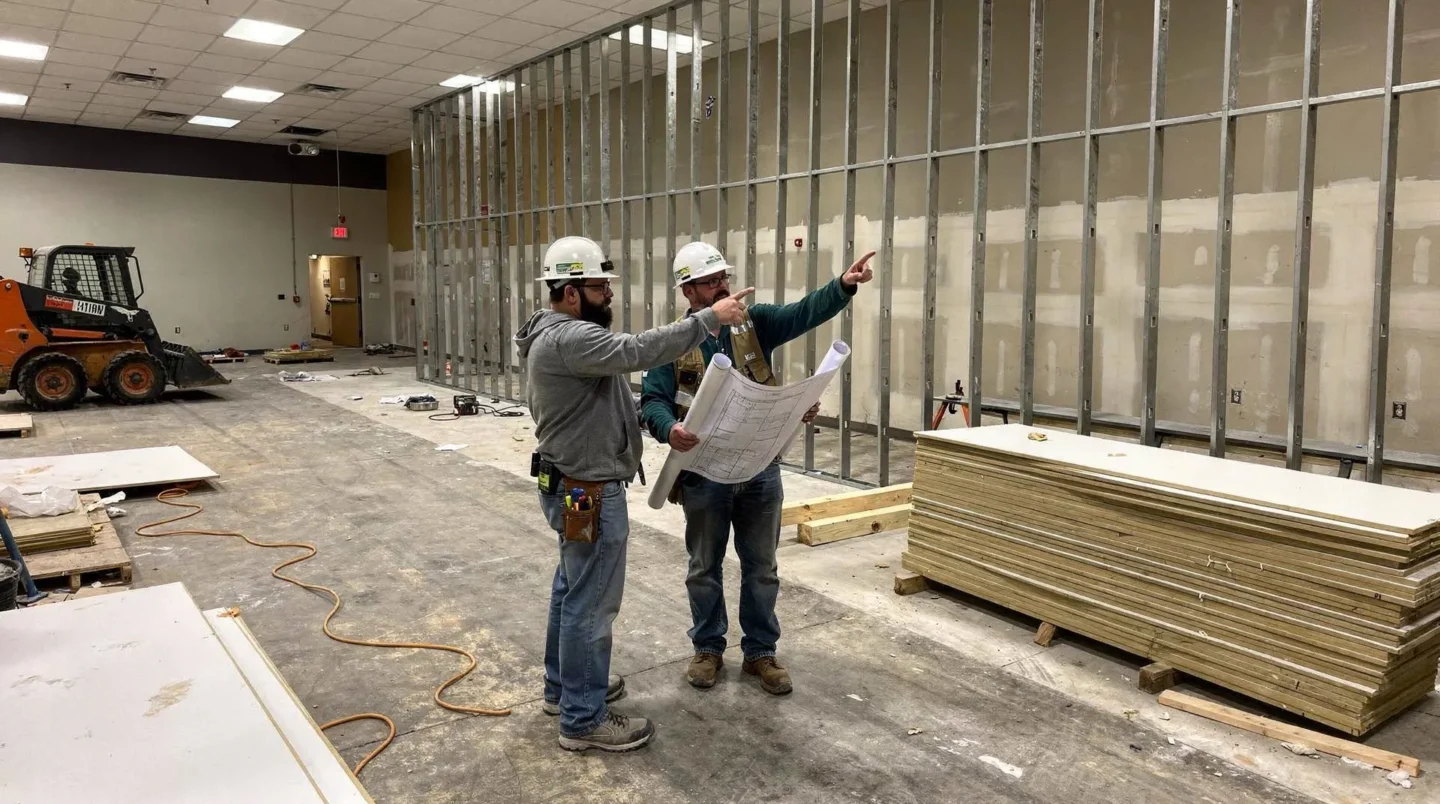
The first thing to check in any rec room contractor is whether they’re licensed, insured, and backed by a track record of quality work. Skipping that step leaves property owners on the hook for liability, code violations, and the cost of fixing someone else’s mistakes.
Licensure and insurance aren’t optional — they’re the baseline. A licensed contractor works within code requirements, which protects the property owner from structural and legal exposure. Insurance handles job-site incidents; without it, that liability falls on the homeowner.
Clear communication is where reliable contractors set themselves apart. Look for someone who responds promptly, explains the scope in plain terms, and stays transparent from the first call through the final walkthrough. Verified customer feedback is one of the best ways to gauge this — reviews that call out professionalism, responsiveness, and smooth execution point to a contractor who performs consistently, not just on a good day.
Key criteria to evaluate before signing any contract:
Licensure and insurance — confirmed, current, and documented
Workmanship quality — evidenced by past project outcomes
Communication track record — responsiveness and transparency throughout the project
Customer reviews — specific mentions of smooth execution and professional conduct
Licensure and insurance — confirmed, current, and documented
Workmanship quality — evidenced by past project outcomes
Communication track record — responsiveness and transparency throughout the project
Customer reviews — specific mentions of smooth execution and professional conduct
Licensed and insured — fully credentialed and covered on every job site
Quality workmanship — a demonstrated record of solid project outcomes
Client-recognized professionalism — consistent praise for responsiveness and project management
Licensed and insured — fully credentialed and covered on every job site
Quality workmanship — a demonstrated record of solid project outcomes
Client-recognized professionalism — consistent praise for responsiveness and project management
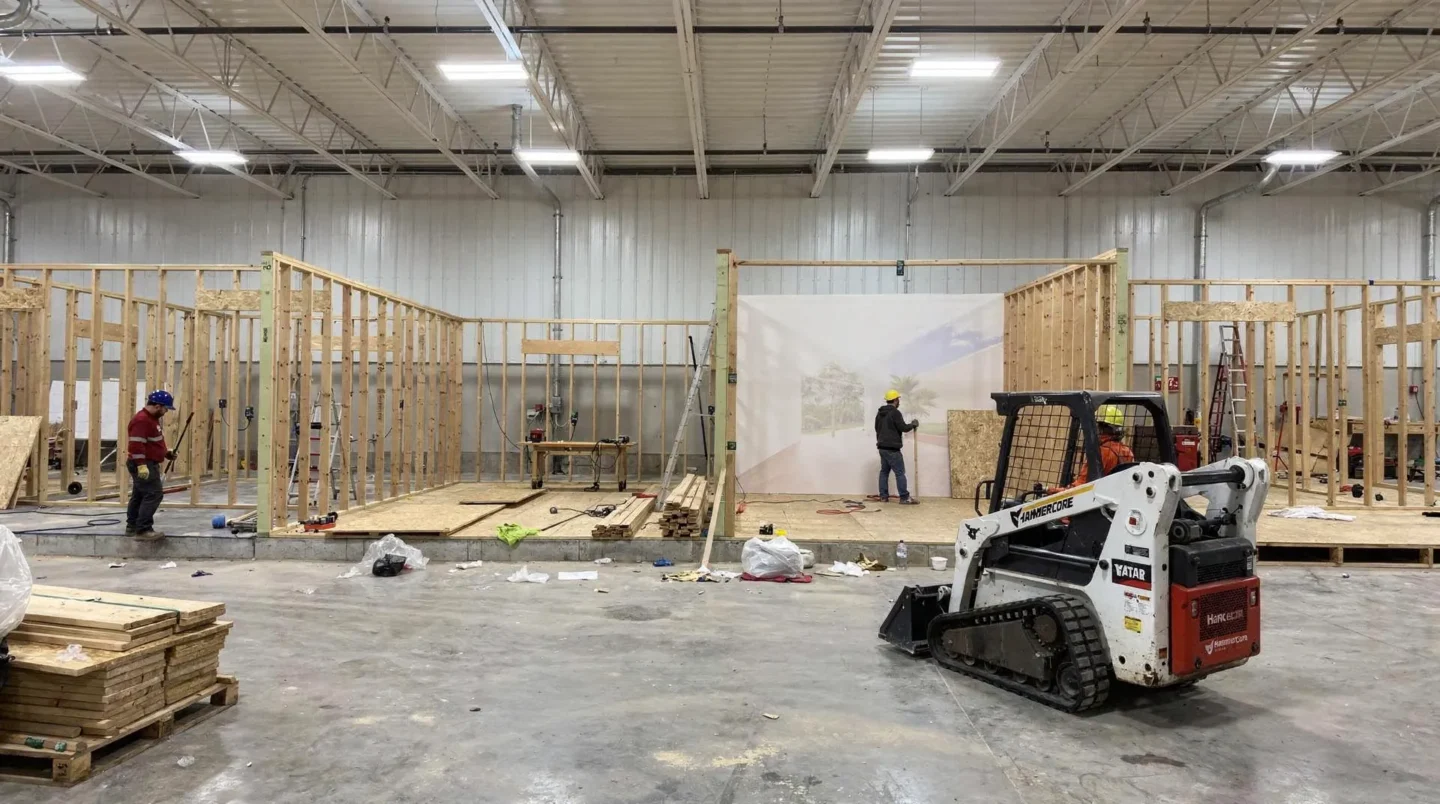
HammerCore Group is a licensed and insured demolition and construction contractor serving residential property owners across Wisconsin, Illinois, Iowa, Minnesota, and Indiana. The team covers every phase a rec room project requires — from the initial tear-out through finished structural rebuilds.
Verified credentials — hiring without them exposes property owners to liability and code violations
Licensure — ensures the work meets code-compliance requirements from start to finish
Insurance — covers job-site incidents so the property owner isn’t left absorbing that risk
Verified credentials — hiring without them exposes property owners to liability and code violations
Licensure — ensures the work meets code-compliance requirements from start to finish
Insurance — covers job-site incidents so the property owner isn’t left absorbing that risk
HammerCore Group’s capabilities cover every phase a rec room conversion typically requires:
Interior demolition — clean tear-outs of walls, ceilings, and flooring
Selective demolition— precise removal of specific structural elements without disturbing surrounding areas
Structural rebuilds — framing and reconstruction after demolition is complete
Concrete and foundation work — critical for basement rec room conversions
Site preparation — clearing and prepping the space before new construction begins
Interior demolition — clean tear-outs of walls, ceilings, and flooring
Selective demolition— precise removal of specific structural elements without disturbing surrounding areas
Structural rebuilds — framing and reconstruction after demolition is complete
Concrete and foundation work — critical for basement rec room conversions
Site preparation — clearing and prepping the space before new construction begins
Working with one contractor from start to finish means no hand-off confusion, no gaps between trades, and one point of contact throughout the entire project.
Whether the plan is converting an unfinished basement into a game lounge or taking on a full structural overhaul, HammerCore Group brings licensed, insured crews to every phase — clean job sites, tight timelines, and finished spaces built to last. Free quotes are available with no obligation, so property owners can get a clear picture of the project before committing to anything. Call 262-398-0046, email service@hammercoregroup.com, or visit the contact page to get started.
Almost always — interior demolition clears old walls, flooring, ceilings, and built-ins before any new framing or build-out starts.
Replacing 50 percent or more of an existing structure classifies the project as a rebuild, triggering different permitting requirements entirely.
Structural Member Reporting streamlines budgeting, and framing reports feed directly into materials lists, reducing errors during rec room addition planning.