By Seth Neu, HammerCore Group
House demolition costs in Wisconsin vary with scope and method. Whether you need a full teardown or selective removal, several factors—size, access, permits and environmental work—affect the final price. This article outlines average costs for common demolition services, key compliance obligations, and practical considerations. It also explains how HammerCore Group USA offers transparent, tailored estimates for homeowner projects.
This guide explains the types of demolition costs, the services available, the permits and regulations to expect, and practical items like debris handling, contractor selection and timelines. Use it to compare estimates and plan your project effectively.
Costs depend on the demolition type and site conditions. Below we break down average ranges for full teardowns, selective demolition and interior demolition in Wisconsin so you can budget accurately.
Industry research has produced systematic methods to decompose demolition cost components. These quantitative approaches help homeowners forecast expenses and plan contingencies for structural removal projects.
Quantitative Methods for Estimating House Demolition Project Costs
This research aims to develop a quantitative framework for estimating the costs associated with demolition projects. A cost analysis methodology is presented to systematically decompose the cost components inherent in structural demolition.
Estimating demolition costs for single residential buildings, C Liu, 2003
A full teardown removes the entire structure and is the highest-cost option. Expect typical prices between $10,000 and $25,000, influenced by building size, site access and location. Permit fees and environmental assessments can increase total costs and should be included in your budget.
Selective demolition removes specific parts of a building while preserving others, commonly used in renovations. Typical costs range from $3,000 to $15,000, depending on project complexity and the elements to be removed. Many homeowners choose selective methods to retain usable portions of the property and limit expense; see selective demolition for examples.
Interior demolition targets non-structural components—flooring, drywall, fixtures—and is the most affordable option. Average costs run from $1,500 to $7,000. It’s a standard first step for kitchen and bathroom remodels that do not require major structural changes.
| Service Type | Cost Range | Description |
|---|---|---|
| Full Teardown | $10,000 – $25,000 | Complete removal of structures, including foundation. |
| Selective Demolition | $3,000 – $15,000 | Targeted removal of specific parts of a building. |
| Interior Demolition | $1,500 – $7,000 | Removal of internal components for renovation purposes. |
The table summarizes common demolition services and their typical cost bands to help you compare options quickly.
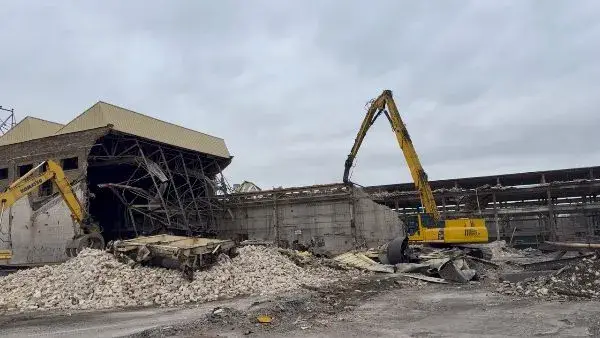
Demolition firms, including HammerCore Group USA, provide a range of services to match project goals and budgets. Knowing the available options lets you choose the approach that best protects value and meets timeline needs.
These service options let homeowners select the scope that aligns with their renovation or construction objectives while controlling cost and disruption.
Compliance with local regulations is essential to avoid delays and fines. Before work begins, confirm which permits your municipality requires and follow local zoning and safety rules to keep the project on schedule.
You will typically need residential demolition permits and must meet environmental protections to prevent harm to neighboring properties. Consult with your contractor to identify required permits, inspections and any environmental testing or abatement that may be necessary.
Apart from costs and service type, plan for debris handling, contractor vetting and realistic timelines. Addressing these factors early reduces surprises and keeps projects on track.
Manage debris to reduce environmental impact and maintain site safety. Prioritize recycling and material reuse where possible to lower landfill waste and comply with disposal regulations.

Selecting the right contractor is critical. Verify licensing and insurance, review references and confirm local experience. A qualified contractor will follow regulations, manage safety, and deliver the project efficiently.
Demolition timelines depend on scope and complexity. Small interior jobs often finish within a week, while full teardowns can take several weeks. Use these estimates to coordinate follow-on trades and plan occupancy or temporary relocation.
Addressing these practical considerations up front improves site safety, regulatory compliance and the overall efficiency of your project.
Start by assessing the structure and defining the demolition type you need. Confirm permit requirements and local rules. Set a budget that includes disposal and potential unforeseen costs, and choose a contractor with the right experience. For full teardowns, plan temporary housing and logistics in advance.
Yes. Complying with environmental rules is essential, especially when hazardous materials like asbestos or lead paint may be present. Plan for proper handling and disposal, and adopt recycling or reuse options where feasible. Work with contractors who understand environmental controls and permitting.
Check that the contractor holds proper licensing and insurance. Ask for references, review past work and read customer feedback. Confirm they have local experience and knowledge of demolition codes and safety standards to ensure competent execution.
Delays often come from permit approvals, unexpected structural issues or discovery of hazardous materials that require special handling. Weather can also slow work. Choose an experienced contractor who anticipates issues and builds schedule flexibility into the plan.
Yes. Salvage is common in selective and interior demolition. Recoverable items—wood flooring, cabinetry, fixtures—can be reused or sold to offset costs. Discuss salvage plans with your contractor before work starts to ensure safe removal.
Safety is paramount. Ensure workers use appropriate PPE such as helmets, gloves and respirators. Secure the site perimeter to protect bystanders and follow local safety rules and OSHA guidelines to protect workers and neighboring properties.
Timing affects cost through seasonal demand and contractor availability. Peak seasons may carry higher rates, and rushed schedules can increase labor expenses. Plan during off-peak months and allow sufficient time to control costs.
Clear knowledge of demolition costs, services and compliance lets Wisconsin homeowners make sound decisions. With options from full teardowns to interior demolition, plan carefully and work with qualified professionals to protect safety, budget and property value. For tailored estimates and project guidance, consider contacting trusted firms like HammerCore Group USA to get a personalised quote.