
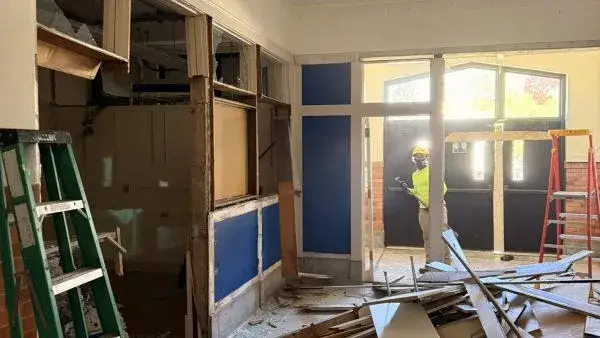
Selective demolition removes only targeted components while protecting a home’s structure, making it the preferred method for home renovation demolition in Wisconsin. This method delivers predictable schedules, lower waste, and preserved valuable elements. HammerCore Group, serving Wisconsin, executes this targeted approach professionally, ensuring efficient, low-disruption upgrades for property owners seeking cost-effective preparation without full tear-downs.
Key Takeaways
- Selective demolition removes only targeted components while protecting a home’s structure.
- This method delivers predictable schedules, lower waste, and preserved valuable elements.
- Project timelines remain predictable and waste volumes drop sharply with selective demolition.
- This method preserves structural integrity and delivers efficient, low-disruption upgrades.
What is selective demolition for home renovations?
Selective demolition for home renovations is a targeted method that removes only specified components while protecting the building’s structure. This approach preserves structural integrity and delivers efficient, low-disruption upgrades for Wisconsin homeowners planning interior or structural remodels.
Unlike full teardowns, selective demolition keeps load-bearing walls, adjacent rooms, and valuable architectural elements intact. The process systematically removes specific building parts, such as dated flooring, interior walls, or a section of foundation slab for plumbing reroutes. A demolition crew working this way protects what stays while clearing out what needs to go. Renovation schedules stay predictable. Waste volumes drop sharply. Homeowners avoid the collateral damage that full demolition causes to surrounding spaces.
How does selective demolition differ from full demolition?
Full demolition removes an entire structure down to the foundation. Selective demolition takes out only designated components. The distinction matters for Wisconsin property owners who want to keep parts of the existing structure while modernizing others. A full teardown destroys everything. Selective work preserves the building’s frame, roof, and untouched rooms. This method is commonly used in home renovations where the homeowner wants to keep parts of the existing structure, according to industry guidance from Local Demo.
What are the key steps in a selective demolition project?
- Assess the structure to identify load-bearing walls, utilities, and components that must remain untouched.
- Mark removal zones clearly on-site so every crew member knows exactly which sections come out and which stay.
- Disconnect utilities in the work area, including electrical, plumbing, and HVAC lines running through targeted walls or floors.
- Remove designated materials using hand tools and small equipment that minimize vibration transfer to preserved areas.
- Inspect adjacent spaces after removal to confirm no unintended damage occurred to structural framing or finished surfaces.
As a selective demolition contractor, HammerCore Group USA executes these steps with precision across Wisconsin residential and commercial projects. The company’s selective demolition services prepare spaces for remodeling while safeguarding everything the homeowner intends to keep. Get a Free Quote to evaluate how selective demolition fits a specific renovation scope.
How does selective demolition protect your home's structure?
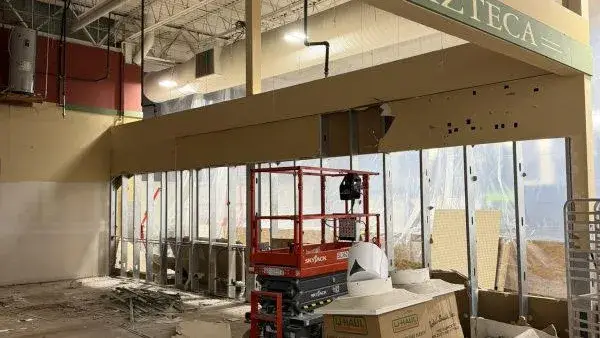
Selective demolition protects a home’s structure through precision, not destruction. Crews remove only specified components while preserving structural framing, adjacent rooms, and load-bearing walls. The method treats the building as a system where one part gets removed while the rest keeps carrying its load. On a Wisconsin home, that removed part is often a nonstructural wall or a section of floor framing that no longer serves the renovation. Without this targeted approach, a renovation risks compromising the entire structural envelope.
What structural elements does selective demolition preserve?
The process safeguards three critical structural categories. Load-bearing walls remain untouched unless specifically engineered for removal, since load-bearing wall removal requires temporary shoring and a licensed contractor’s sign-off. Selective demolition contractors may remove a nonstructural wall, failed porch, or other designated section while protecting the surrounding structure. Floor and roof framing stays intact to maintain the building’s load path. Adjacent rooms and finished spaces receive protection from vibration, dust, and accidental impact. Many experienced contractors compare selective demolition for home renovations to editing rather than starting from scratch. Crews carefully eliminate only the components that no longer serve the renovation.
How do crews prevent damage to surrounding areas?
Protection begins before any material comes down. The sequence follows a strict protocol:
- Identify all load-bearing elements and mark exclusion zones with clear visual indicators.
- Install temporary shoring and bracing where any structural member gets modified or removed.
- Isolate the work area with dust barriers and floor protection to shield adjacent finished spaces.
- Use hand tools and small equipment near sensitive connections instead of heavy machinery.
- Remove debris in controlled batches to avoid overloading remaining floor systems.
HammerCore Group USA applies this disciplined approach on every Wisconsin project. The company’s crews understand that a single misstep near a bearing point creates problems that cascade through the entire structure. Precision work preserves what stays while clearing what must go. For a deeper look at how this method streamlines renovations, review the selective demolition techniques that experienced contractors rely on.
What are the key benefits for Wisconsin homeowners?
Selective demolition for home renovations delivers predictable schedules, lower waste, and preserved valuable elements. Wisconsin homeowners gain a targeted approach that removes only specified components while protecting the building’s structure. Wisconsin homeowners gain a targeted approach that removes only specified components while protecting the building’s structure.
Selective demolition for home renovations offers a more efficient, cost-effective, and sustainable approach to preparing homes for renovation. Instead of complete tear-downs, this method preserves what stays while clearing out what needs to go. HammerCore Group USA provides professional demolition and construction services throughout Wisconsin, focusing on safe project execution and reliable workmanship. HammerCore Group USA provides professional demolition and construction services throughout Wisconsin, focusing on safe project execution and reliable workmanship.
Why does selective demolition work well for Wisconsin properties?
Wisconsin weather, aging materials, and changing property needs create challenges for older residential structures. Careful planning addresses these conditions before work begins. The company approaches every project with dependable service tailored to regional demands.
Key benefits for Wisconsin property owners include:
- Predictable schedules that keep renovation timelines on track
- Lower waste compared to full demolition, reducing disposal costs
- Preserved valuable elements such as structural framing and load-bearing walls
- Cost-effective preparation that avoids unnecessary teardown expenses
- Sustainable practices that minimize material sent to landfills
How does selective demolition protect a home's structure?
The process removes specific building parts while preserving the rest of the structure. Interior walls, dated flooring, or a kitchen down to the subfloor come out cleanly. Adjacent rooms and load-bearing walls remain intact for the renovation phase. HammerCore Group USA helps homeowners, businesses, contractors, and property owners move projects forward with confidence. The company’s focus on safe project execution and reliable workmanship protects both the property and the investment.
HammerCore Group USA helps homeowners, businesses, contractors, and property owners move projects forward with confidence. The company’s focus on safe project execution and reliable workmanship protects both the property and the investment.
How do you plan a selective demolition project step by step?
Planning a selective demolition for home renovations project follows a clear sequence. The process removes specific building elements while preserving structural integrity. A methodical approach prevents costly mistakes and keeps the renovation on schedule.
What happens before demolition work begins?
Structural demolition planning starts before any wall comes down, when a licensed contractor conducts a structural assessment. This evaluation identifies load-bearing walls, electrical runs, and plumbing lines that must stay intact. HammerCore Group USA performs this walkthrough for every Wisconsin project. The assessment produces a demolition plan that maps exactly which components get removed and which remain untouched. Skipping this step risks damaging the framing that holds the house together.
How do you execute the demolition safely?
- Disconnect all utilities to the work area. Gas, water, and electrical lines get shut off at the source before tools touch any surface.
- Contain the workspace with plastic sheeting and negative air pressure. Dust from cutting drywall or prying up flooring spreads fast through a Wisconsin home.
- Remove designated materials in reverse order of installation. Trim comes off before drywall. Flooring lifts before subfloor. This sequence protects what stays.
- Haul debris immediately to keep the site clear. Piles of removed material create tripping hazards and slow the crew.
- Inspect the remaining structure before any new construction starts. The contractor verifies that framing, subfloor, and adjacent rooms show no unintended damage.
Selective demolition contractors remove one specific piece of a house, like a bearing wall or a failed porch, while everything around it keeps standing. This precision separates professional work from a standard gut job.
What happens after the debris is gone?
A final site inspection confirms the space is ready for the next trade. The area gets swept clean and any exposed framing receives temporary protection. Homeowners who prepare their home for safe demolition services before the crew arrives shorten the overall timeline. The cleared, inspected space then transitions directly to plumbing rough-ins, electrical work, or drywall installation without delay. Get a Free Quote to start the planning process with a detailed scope of work.
What common mistakes should you avoid during selective demolition?
Selective demolition for home renovations removes only specified components while protecting the building’s structure. Wisconsin homeowners who skip proper planning risk damaging load-bearing walls, electrical lines, and plumbing that should remain untouched.
The most common mistakes stem from treating selective demolition like a full teardown. A systematic process carefully removes specific building parts while preserving the rest of the structure. Rushing that process causes expensive repairs.
What happens when homeowners remove too much during selective demolition?
Removing too much defeats the purpose of the method. Selective demolition is commonly used in home renovations where the homeowner wants to keep parts of the existing structure. Overcutting forces rebuilds of framing, drywall, and finishes that were never meant to come out.
How do contractors prevent damage to surrounding areas?
Contractors follow a numbered sequence to protect what stays:
- Identify load-bearing walls and mark them off-limits before any cutting begins.
- Shut off utilities to the work zone, including water, gas, and electrical circuits.
- Cut clean separation lines at the edges of the removal area.
- Remove debris in small loads rather than dragging material across finished floors.
- Inspect adjacent framing and finishes after each removal phase.
Skipping any step risks structural damage or utility strikes. A targeted method protects the building’s structure only when the crew respects boundaries. Wisconsin properties with older framing need extra care at every cut line.
FAQ
What is selective demolition for home renovations?
Selective demolition removes only targeted components while protecting a home’s structure. It preserves load-bearing walls, adjacent rooms, and valuable architectural elements, delivering efficient, low-disruption upgrades for Wisconsin homeowners.
How is selective demolition different from a full teardown?
A full teardown removes an entire structure down to the foundation. Selective demolition takes out only designated components, such as a nonstructural wall or outdated flooring, while keeping the building’s frame, roof, and untouched rooms intact.
What are the main benefits of selective demolition for Wisconsin homeowners?
Selective demolition delivers predictable schedules, lower waste, and preserved valuable elements. It gives Wisconsin property owners a cost-effective way to prepare for a renovation without the expense and disruption of a full teardown.
How do contractors keep surrounding areas safe during the work?
Crews mark load-bearing elements and exclusion zones, install temporary shoring where needed, isolate the work area with dust barriers, and use hand tools near sensitive connections instead of heavy machinery. Debris comes out in controlled batches to protect the remaining structure.
What mistakes should homeowners avoid during a selective demolition project?
The biggest mistake is treating selective demolition like a full teardown. Removing more than planned forces unnecessary rebuilds of framing, drywall, and finishes. A clear demolition plan and a licensed contractor’s structural assessment keep the project on scope and on schedule.
Conclusion
Selective demolition gives Wisconsin homeowners a direct path to a faster, safer renovation without tearing down what works. A methodical plan, careful execution, and a final inspection protect the structure and the budget. Property owners who choose this approach move from demolition to new construction with confidence. Get a free quote to begin the planning process.