
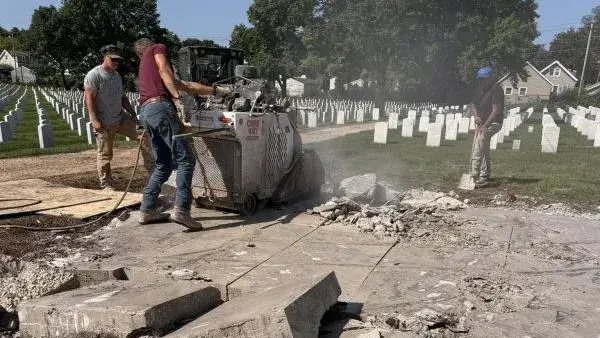
Residential demolition costs depend primarily on home size, location, and structural complexity. A 1,500 square foot home typically costs $10,500-$12,000 to demolish. Urban properties in southeastern Wisconsin command higher prices than rural sites. HammerCore Group provides free quotes based on each project’s specific scope and site conditions.
Key Takeaways
- Square footage drives base demolition costs, with a 1,500-square-foot home typically costing $10,500 to $12,000.
- Urban properties cost more than rural sites due to tight lot lines, restricted equipment access, and longer debris disposal routes.
- Permit fees and two to five separate inspections add fixed regulatory costs before demolition work begins.
- Site accessibility, including gate widths and overhead clearances, directly shapes the final project estimate during the initial walkthrough.
What drives residential demolition cost?
Residential demolition costs shift dramatically based on a handful of measurable factors. A homeowner working with an Elm Grove demolition contractor faces different pricing than someone in a rural Wisconsin township. The average cost to tear down a house in the United States is $18,000. The average range is $3,000-$25,000, or $2-$17 per square foot.
How does home size affect demolition pricing?
Square footage drives the base calculation. Larger footprints require more labor hours, heavier equipment, and greater debris volume. A 1,500-square-foot home demolition costs $10,500 to $12,000. Smaller structures fall below that range. Multi-story homes push costs higher because crews work vertically and handle additional structural complexity.
Why do urban demolitions cost more than rural ones?
Location introduces logistical variables that inflate the final bill. Home demolition is cheaper in rural areas and more expensive in urban neighborhoods. High-density locations make demolition and debris removal more complicated. Tight lot lines in places like Milwaukee’s older suburbs restrict equipment access. Crews spend extra time protecting adjacent structures. Disposal routes lengthen when trucks navigate congested streets.
What role do permits and inspections play?
Regulatory requirements add line items before demolition begins. Demolition permit cost begins with fees set by the local municipality. Inspections follow at multiple stages. A project often requires multiple separate inspections, each carrying its own fee. Skipping this step risks fines and stop-work orders. HammerCore Group USA manages the full permit process, ensuring compliance from day one.
Property owners who understand these cost drivers make sharper budget decisions. The interplay of size, location, and regulation determines whether a project lands at the low or high end of that $3,000 to $25,000 range. For a deeper breakdown of budgeting strategies, review the guide on key factors that affect residential demolition pricing. [Get a Free Quote](https://hammercoregroupusa.com/contact-us/) from the team to receive a project-specific estimate built around actual site conditions.
How do you determine the cost of residential demolition projects at HammerCore Group?
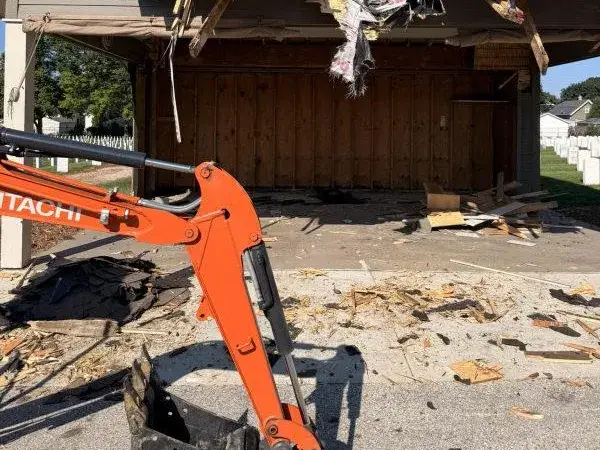
HammerCore Group USA determines residential demolition costs on a project-by-project basis. Pricing reflects the specific scope and complexity of each job. No two properties are identical. A cramped urban lot with limited access demands different resources than a rural teardown with open space. The company’s structured approach ensures every quote accounts for these real-world variables.
What factors influence the cost of a residential demolition?
Several project-specific elements shape the final price. The home’s total square footage and number of stories drive equipment and labor needs. Site accessibility matters. Tight spaces or overhead obstacles require specialized machinery and extra safety protocols. The construction materials also play a role. Heavy masonry and concrete cost more to process than wood framing. Selective demolition, where only part of a structure comes down, involves precision work that differs from a full teardown.
HammerCore Group evaluates these details during an initial assessment. The company’s model prioritizes safe job sites and efficient job completion. This focus prevents costly delays and protects the property from unnecessary damage. Clients receive a clear breakdown of the work involved.
How does HammerCore Group provide a price estimate?
The company offers Get a Free Quote consultations for every project. A team member visits the site to inspect the structure and surrounding conditions. The inspection covers the building’s size, material composition, and any hazards like asbestos or unstable foundations. HammerCore Group then calculates the labor, equipment, permits, and debris removal required. The resulting quote is transparent and tailored to that single job. This method eliminates guesswork and gives property owners a firm number before any work begins.
What role does site accessibility play?
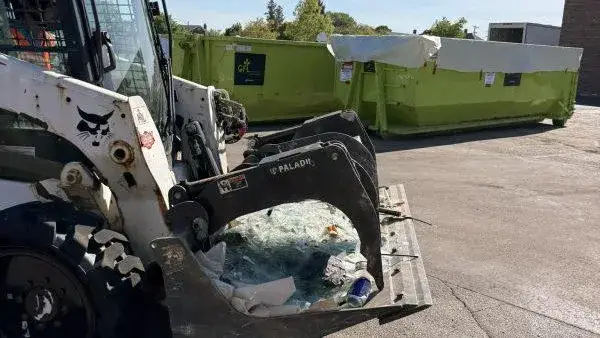
Site accessibility directly shapes residential demolition costs. Tight lots, narrow streets, and limited equipment staging areas increase project complexity and expense. A straightforward rural teardown with open access costs far less than a confined urban demolition where every movement requires extra planning.
How does an urban location change demolition pricing?
Urban settings drive up demolition costs because of density and debris removal complexity. High-density neighborhoods leave little room for heavy machinery to maneuver. Crews often need smaller equipment, more manual labor, and specialized hauling routes. Each of these adjustments adds line items to the final estimate. Rural properties avoid these constraints entirely.
What makes debris removal more expensive on tight sites?
Restricted access forces debris to travel farther from the structure to the hauling truck. Workers may need to hand-carry material through narrow side yards or use conveyor systems. Multiple smaller dumpster loads replace a single large container. These logistical hurdles multiply labor hours and disposal fees.
Do commercial sites face the same accessibility challenges?
Commercial demolition follows similar rules but with larger price tags. Right now, commercial demolition costs between $4 to $8 per square foot, with the average per-building demolition cost in the U.S. currently sitting at $30,500. The median commercial building size of roughly 5,000 square feet makes that $30,000 figure a typical benchmark. Larger buildings sometimes see lower per-square-foot rates. Only when the site offers generous access for heavy equipment and debris staging.
HammerCore Group USA evaluates access conditions during the initial walkthrough. The team measures gate widths, overhead clearances, and street turning radii before calculating the project estimate. Property owners who share site photos and access details early receive more accurate pricing. Get a Free Quote to start the assessment process.
When is asbestos abatement needed?
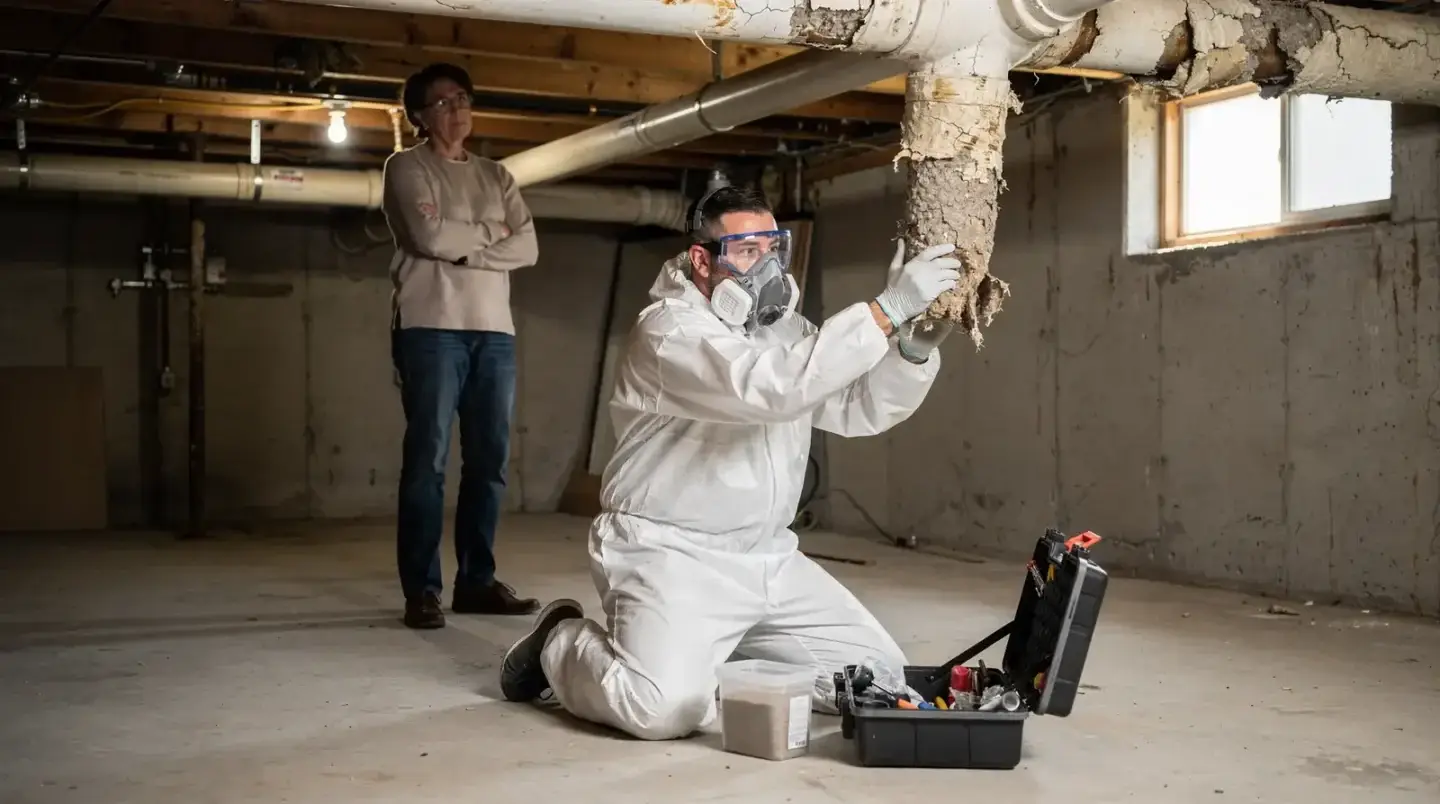
Asbestos abatement becomes necessary when a residential demolition project involves a home built before 1981. Homes constructed before that year frequently contain asbestos in insulation, flooring, and pipe wrap. Disturbing these materials during demolition releases hazardous fibers into the air. The cost impact is immediate and substantial.
What triggers an asbestos inspection before demolition?
A demolition permit application triggers the inspection requirement. Municipal building departments demand a certified asbestos survey for any pre-1981 structure. The survey identifies all asbestos-containing materials before a single wall comes down. Skipping this step halts the project and invites heavy fines.
How much does asbestos abatement add to demolition costs?
Asbestos abatement cost pushes project costs well above the baseline demolition estimate. According to the Residential Demolition Cost in Florida (2026 Guide), asbestos abatement on pre-1981 homes combines with permit fees of $500 to $2,500 to drive most projects above the statewide average. The expense varies by material volume and accessibility. Homeowners in southeastern Wisconsin face similar regulatory requirements.
HammerCore Group USA manages hazardous material protocols as a standard part of safe job site operations. The company holds full licensing and insurance for projects requiring asbestos abatement. Property owners avoid the risk of non-compliance and health exposure. A professional **residential demolition** team handles testing coordination, certified removal, and lawful disposal. For homeowners researching qualified contractors, a residential demolition guide outlines the essential steps for selecting a licensed and insured team. Get a Free Quote to assess abatement needs before the project begins.
How does structural complexity affect pricing?
Structural complexity directly shapes residential demolition costs. HammerCore Group USA determines pricing by evaluating the scope and complexity of each job. A straightforward single-story teardown costs far less than a project involving load-bearing walls, multiple stories, or attached structures. Complex jobs demand more labor, specialized equipment, and longer timelines.
Property owners face real financial risk when complexity goes unassessed. Overlooking structural challenges leads to budget overruns and project delays. A full teardown follows a predictable cost model. Selective demolition, however, introduces variables that shift pricing significantly.
What makes selective demolition more expensive than a full teardown?
Selective demolition cost runs higher because this approach preserves parts of a structure while removing others. This precision work requires hand tools, careful debris separation, and slower progress. Crews must protect remaining walls, plumbing, and electrical systems. The added labor and time increase the per-square-foot cost compared to a complete teardown.
How does HammerCore Group assess structural complexity before quoting?
The company evaluates the building’s footprint, number of stories, foundation type, and materials like concrete or brick. Hazardous materials such as asbestos also factor into the assessment. HammerCore Group USA provides free quotes that account for these variables upfront. Clients receive a transparent breakdown tied to the actual conditions of their property.
For a deeper look at regional cost drivers, the cost of residential demolition in Wisconsin explained covers property size, materials, and permit requirements in detail. Get a Free Quote to understand how structural complexity affects a specific project’s bottom line.
FAQ
How much does it cost to demolish a 1,500 square foot home?
A home of this size typically costs $10,500 to $12,000 to demolish. The final number still depends on location, site access, and the materials used in construction, so HammerCore Group USA confirms the exact figure with a site visit.
Why do urban properties cost more to demolish than rural ones?
Tight lot lines, restricted equipment access, and longer debris hauling routes all add labor and time in dense neighborhoods. Rural sites with open access avoid most of these constraints, which keeps their costs lower.
Do I need a permit before starting a residential demolition?
Yes. Local municipalities require a demolition permit, and most projects also require two to five separate inspections before work begins. HammerCore Group USA manages this entire process so compliance is handled from day one.
When does a home need an asbestos inspection?
Any home built before 1981 requires a certified asbestos survey before demolition, since insulation, flooring, and pipe wrap from that era commonly contain asbestos. Skipping this step can halt the project and trigger fines.
How does HammerCore Group USA calculate a demolition quote?
A team member visits the site to assess square footage, construction materials, accessibility, and any hazards, then builds a transparent estimate covering labor, equipment, permits, and debris removal. [Get a Free Quote](https://hammercoregroupusa.com/contact-us/) to start that assessment.
Conclusion
Residential demolition costs depend on property size, location, structural complexity, and hazardous material requirements, with urban sites and selective demolition driving prices higher. Property owners who understand these factors and work with a licensed, insured contractor avoid budget surprises and regulatory delays. A professional walkthrough and free quote provide the accurate pricing needed to move forward with confidence.