

House Demolition Process: Demolition and Construction Services
House demolition is the process of safely tearing down an existing home to prepare
By Seth Neu, Owner of HammerCore Group · Updated 2026-07-23
House demolition follows a clear sequence: pre-demolition planning, permitting with local authorities, utility disconnection, hazardous material checks, and safety protocol setup come first. HammerCore Group then handles the teardown itself, clears the debris, and gets the lot ready for new construction — coordinating each phase so homeowners aren’t caught off guard before rebuilding begins.
Key Takeaways
- Professional demolition contractors handle planning, coordination with local authorities, and safety compliance requirements.
- Homeowners must complete basic steps before and after the actual building destruction occurs.
- Demolition serves as the critical first step in preparing sites for new construction projects.
- Understanding the demolition process ensures a safe, smooth, and hassle-free experience for property owners.
What Is the House Demolition Process?
The house demolition process means safely tearing down an existing home to clear the way for new construction. Contractors treat this work as far more than pointing heavy equipment at a structure and pulling it down. Real demolition projects involve detailed planning, coordination with local authorities, and strict safety protocols at every stage — skip any of those steps and a homeowner risks fines, injury, or damage to the property next door.
Most owners pursue demolition for practical reasons, not just looks. A home with an outdated layout, a cracked foundation, or real structural damage often costs more to renovate than to simply replace. When remodeling means working around walls, wiring, or framing that no longer serve the household, starting fresh usually makes more sense.
Residential demolition covers a range of structures beyond the main house. Crews handle:
- Single-family homes slated for full teardown
- Detached garages and outbuildings
- Additions no longer suited to the property
- Other residential structures blocking new construction plans
What Does a Demolition Contractor Actually Do?
A demolition contractor manages the technical and regulatory sides of the teardown, not just the physical labor. That means securing permits, disconnecting utilities, controlling debris, and operating machinery safely around neighboring structures. Contractors also coordinate inspections with local authorities before, during, and after the work is done.
Is House Demolition Only About Tearing Down Walls?
No, it’s not just one sledgehammer swing. Demolition blends site assessment, utility shutoffs, debris removal, and safety compliance into one coordinated process. Local authorities often require sign-off at multiple points, so planning ends up mattering just as much as the physical teardown.
How Do You Prepare Before Demolition Day?
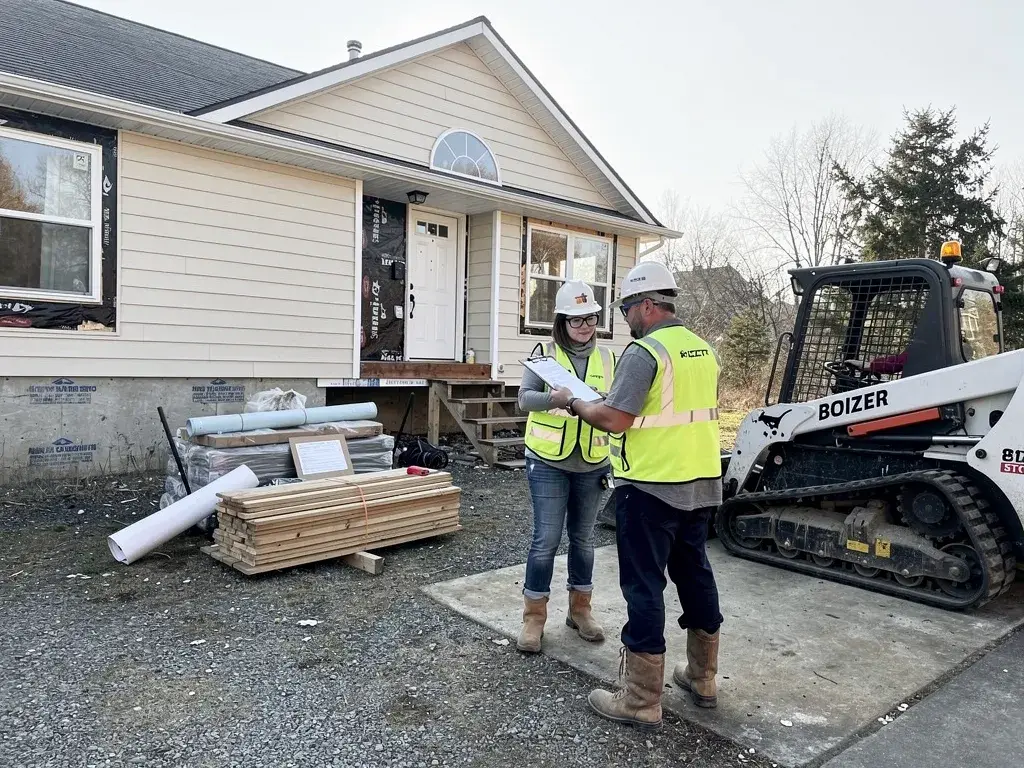
Preparation starts with finding qualified help, not swinging a sledgehammer. Most property owners don’t own demolition equipment, and hiring a demolition contractor is the essential first move in any house demolition process. Skilled crews bring specialized machinery, trained operators, and knowledge that no rental yard can substitute.
A qualified contractor does more than show up with heavy equipment. Experienced professionals help property owners choose the right demolition method for a given structure, weighing factors like building size, materials, and site access. That guidance shapes nearly every decision that follows, from equipment selection to debris handling.
What Should Homeowners Confirm Before Choosing a Contractor?
Always verify licensing and insurance before signing any agreement. HammerCore Group, for example, is a licensed and insured demolition and construction contractor serving residential clients across Wisconsin, Illinois, Iowa, Minnesota, and Indiana](https://hammercoregroupusa. [cite-4com/professional-demolition-services-expert-solutions-in-elm-grove-wi/). Insurance protects property owners from liability if accidents occur on-site, while licensing confirms the crew meets state-level standards.
How Do Permits Fit Into the Preparation Stage?
Homeowners rarely handle demolition permits themselves. Experienced contractors typically fold permitting into their early scope of work as part of the standard residential demolition steps, so the paperwork clears before any equipment shows up.
Preparation generally covers these areas:
- Contractor selection — comparing licensed, insured companies with relevant experience
- Method planning — confirming whether mechanical, manual, or selective techniques fit the structure
- Permitting and safety review — securing required approvals and confirming utility shutoffs
- Site walkthrough — identifying hazards, access points, and material salvage opportunities
Skipping these steps creates real risk. Unpermitted work can halt a project mid-demolition, delaying construction schedules and adding unplanned house demolition cost. Partnering with an experienced contractor avoids that scramble, since permitting and safety requirements get handled correctly from the outset instead of surfacing too late.
What Permits and Steps Are Required?
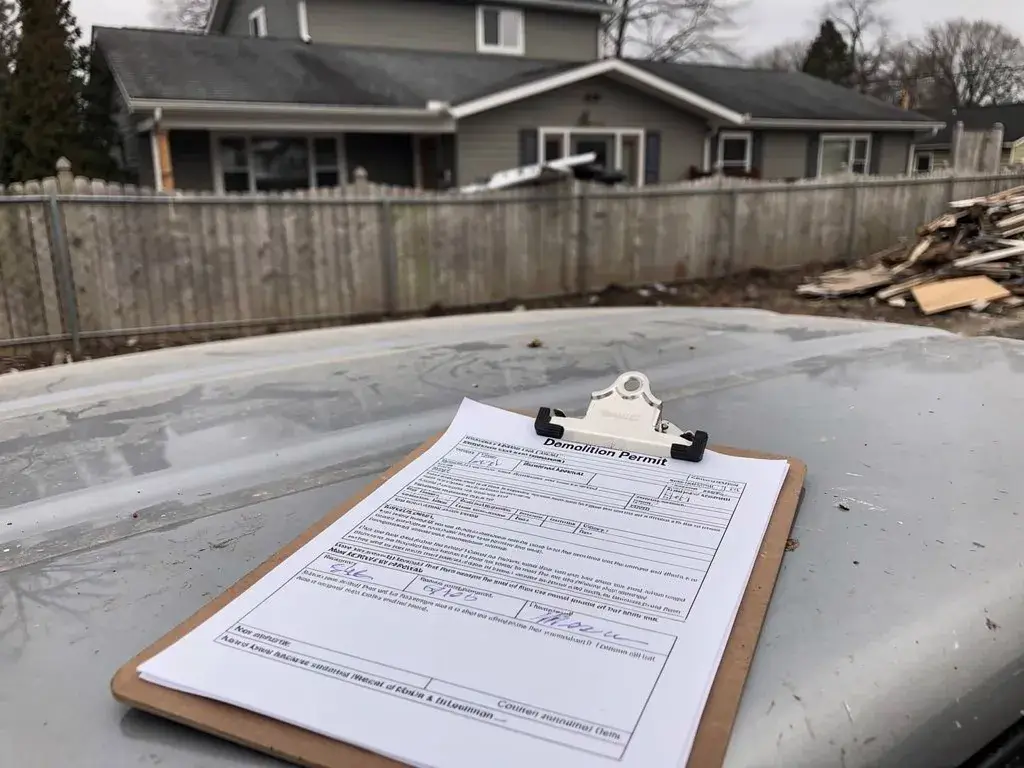
Municipal approval and a sequence of coordinated steps form the legal backbone of any teardown. Property owners can’t legally begin work until local authorities sign off on the project, and skipping that step risks fines or a job stopped midway through.
The house demolition process begins long before any physical teardown starts. Planning comes first: a property owner or contractor coordinates with local building departments, utility companies, and inspectors before a single wall comes down. That early phase sets the timeline for everything that follows, including permit review, site assessment, and utility disconnection.
Demolition permits sit at the center of this planning stage. Most municipalities require proof of utility shutoff, an asbestos inspection, and sometimes a site survey before issuing approval. A thorough guide to residential demolition steps typically covers permitting requirements, realistic project timelines, and the added costs that can come from unexpected site conditions — all of which shape how demolition fits into the larger new construction process.
What steps happen after permits are approved?
Once permits clear, crews move into site preparation, utility disconnection, and the physical teardown itself. Debris removal and site grading usually follow, leaving the lot ready for new construction.
Does every project need the same level of demolition?
Not every job calls for a full teardown. Selective demolition removes specific areas of a structure while protecting the parts meant to stay intact, which matters for additions or partial rebuilds. cite-4
A demolition contractor licensed and insured for residential work manages this whole sequence, from permit application through final cleanup, keeping the job site safe throughout. cite-4 Property owners planning to tear down a house should expect a paper trail before the bulldozer arrives, not the other way around.
What Happens On Demolition Day Itself?
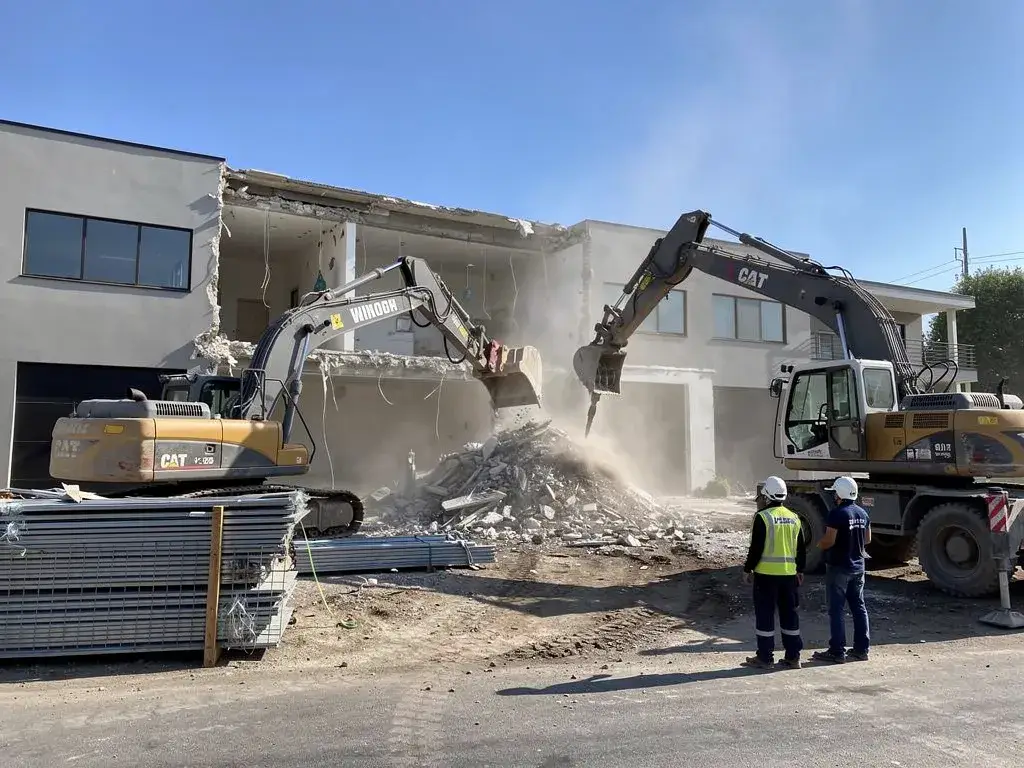
Crews arrive on-site with equipment, safety gear, and a plan already mapped out. Demolition day looks nothing like the dramatized versions on home renovation television — real-life demolition is a strategic, sometimes messy operation, and property owners should expect a working job site, not a made-for-TV spectacle.
Property owners should brace for some disruption. Noise, dust, and debris come with the territory, and surprises often turn up once walls, floors, or foundations come down. Hidden plumbing, old wiring, or unmarked utility lines can slow things down or force quick adjustments from the crew.
A full tear down a house job typically means complete removal of the structure from the ground up, followed by a thorough site cleanup. That’s different from interior demolition, which strips out walls, fixtures, or flooring for a remodel, renovation, or build-out while leaving the exterior shell intact.
How long does a typical demolition day take, and how long does house demolition take overall?
Duration depends on the size and complexity of the structure, along with how much material needs sorting or hauling away. Full teardowns generally take longer than interior tear-outs, since removing an entire structure and cleaning up the site is a bigger job than gutting a single room.
What should homeowners do while the crew works?
Owners should stay clear of the active work zone for safety. Checking in with the crew at scheduled breaks, rather than interrupting mid-task, keeps the job moving. Common demolition-day activities include:
- Setting up safety barriers and dust control measures
- Disconnecting or capping utilities before work begins
- Removing the structure section by section
- Sorting debris for disposal or recycling
- Sweeping and clearing the site once removal finishes
What Comes After the House Is Torn Down?
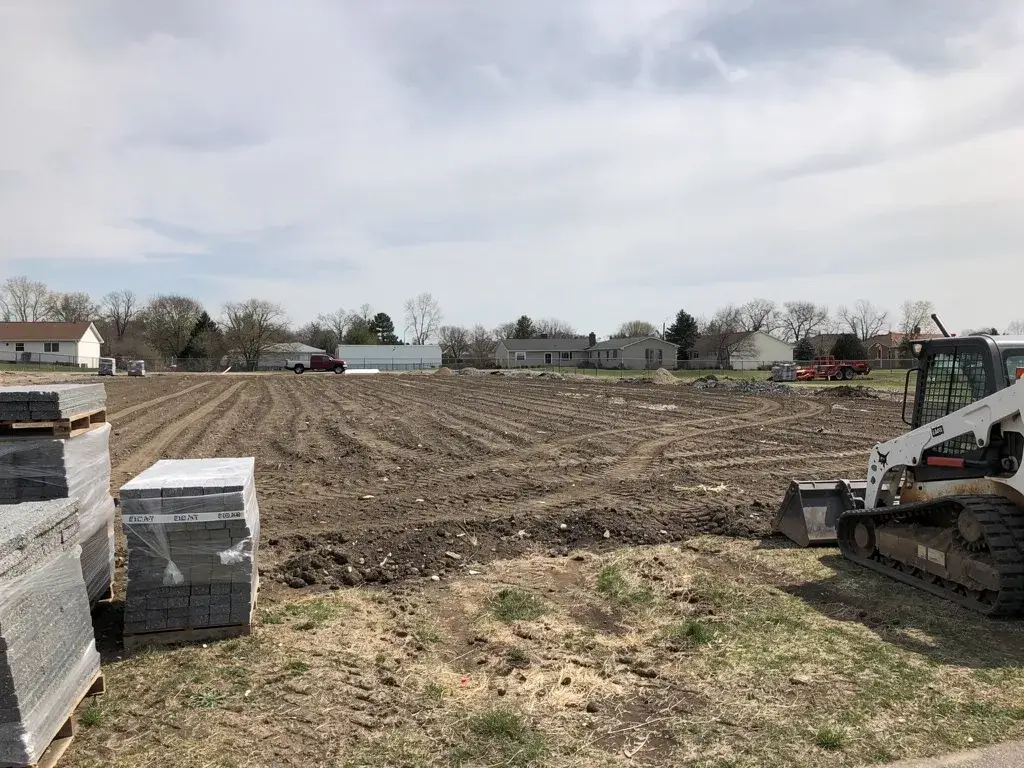
Site cleanup and preparation follow right after teardown, setting the stage for whatever comes next. Homeowners work through a set of basic steps both before and after the structure comes down, and the post-demolition phase has its own checklist — debris removal, grading, and utility capping typically need attention before any new build can begin.
Why tear down instead of remodel?
Tearing down a house gives homeowners the freedom to design a new home that actually fits their lifestyle. Remodeling an outdated layout often means working around walls, plumbing, and foundations that limit what’s possible, while a full rebuild clears those constraints away while keeping the same lot and location.
What services fill the gap between demolition and rebuilding?
Many demolition companies extend well past teardown work. Services often include site preparation, concrete and foundation work, structural rebuilds, and remodeling once the lot is cleared. cite-4 That continuity matters because homeowners don’t have to coordinate between separate crews for demolition and reconstruction.
Communication during this handoff period matters just as much as the work itself. Reputable contractors keep homeowners informed about timelines, inspections, and next steps, instead of leaving them guessing after the dust settles. Quality workmanship paired with clear updates makes the transition from empty lot to new construction feel far less overwhelming.
FAQ
What happens before the actual teardown begins?
Contractors handle pre-demolition planning, secure permits with local authorities, disconnect utilities, check for hazardous materials, and set up safety protocols to ensure a smooth, compliant start.
Does demolition only involve tearing down the structure?
No, demolition combines site assessment, utility shutoffs, debris removal, and safety compliance into one coordinated process, with local authorities requiring sign-off at multiple points along the way.
What should homeowners do first when planning a demolition?
Homeowners should hire a qualified demolition contractor, since most lack the equipment themselves. Contractors then guide method selection based on building size, materials, and site access.